A Linux distribution for everyone. Play and learn ethical hacking.
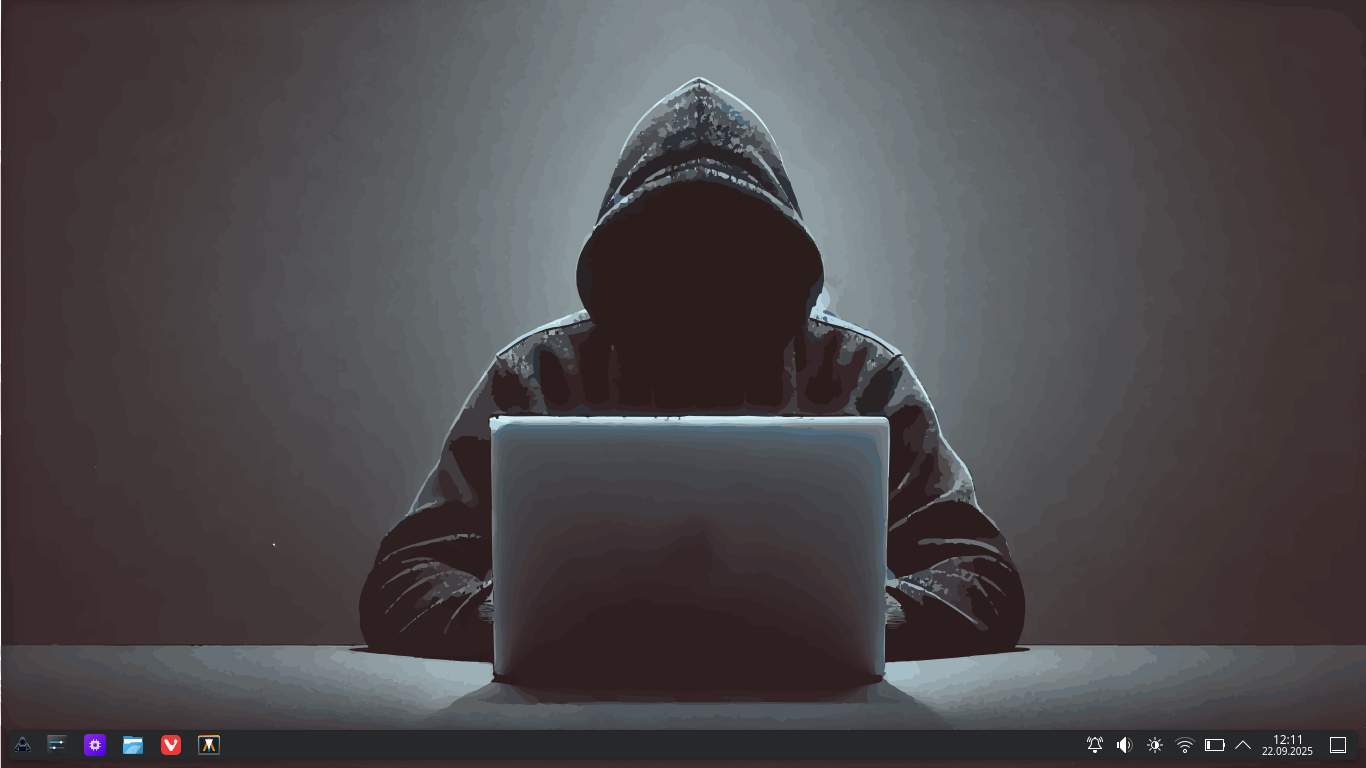
This is the standard edition of HackerOS. It's intended for casual users and gamers.
This edition is aimed at cybersecurity (generally). It features a dedicated kernel (HackerOS Kernel) optimized for cybersecurity, a proprietary cybersecurity tools, and, in the future, a proprietary GhostFS file system. Based on Debian Stable.
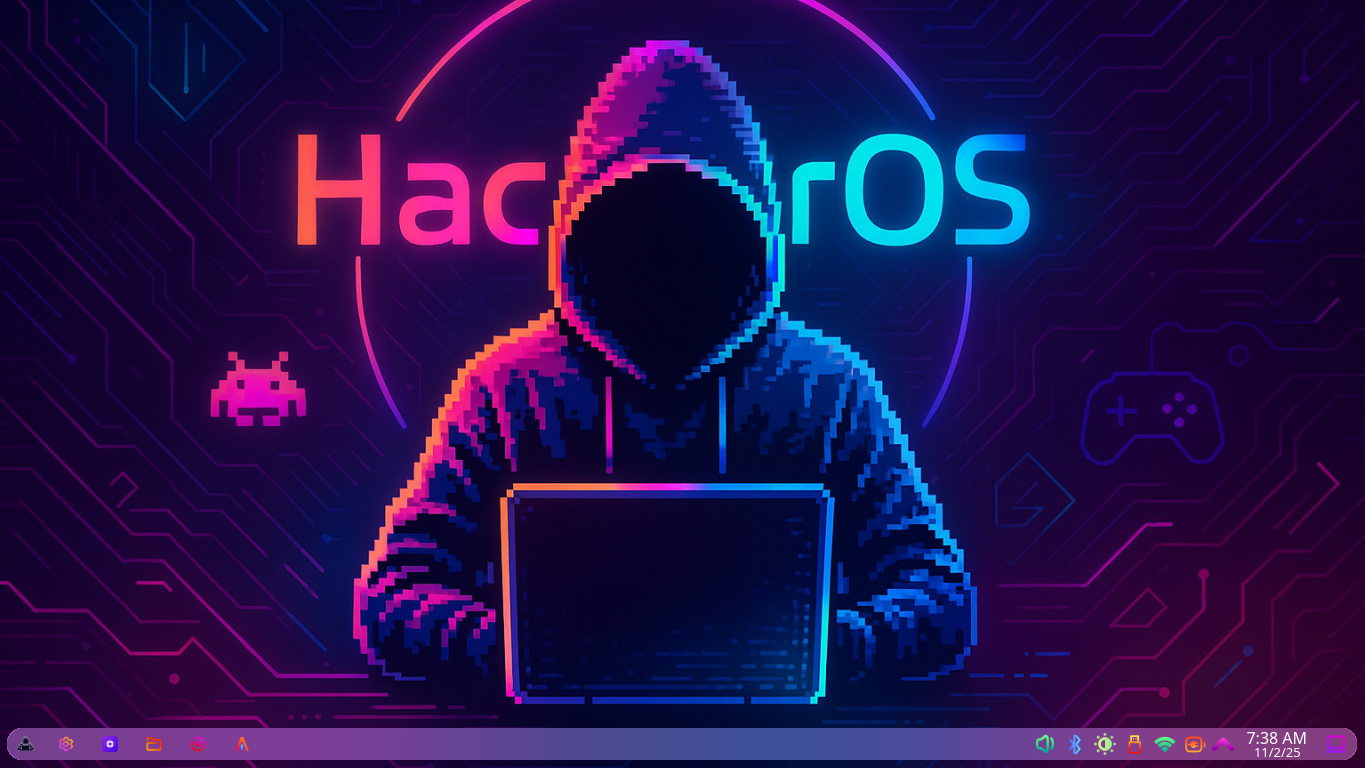
The HackerOS edition tailored for cybersecurity is designed exclusively for Red Teams. While "Cybersecurity Default" includes the Xen Hypervisor (and the kernel and other components familiar from the standard cybersecurity edition), it also features a dedicated Red Team session known as "Penetration Mode."
The nvidia edition is also a copy of the official edition but with nvidia drivers installed.
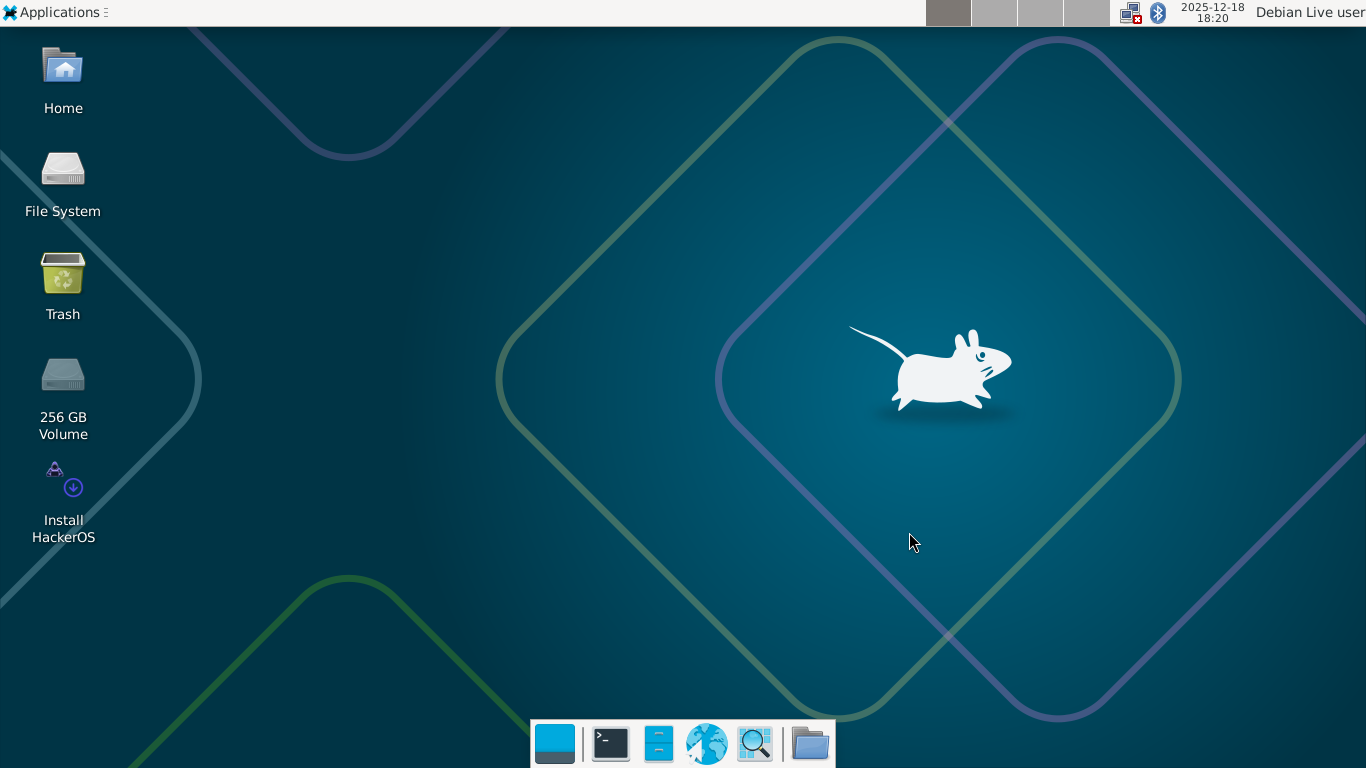
It is the same as the official edition but instead of KDE it has Xfce.
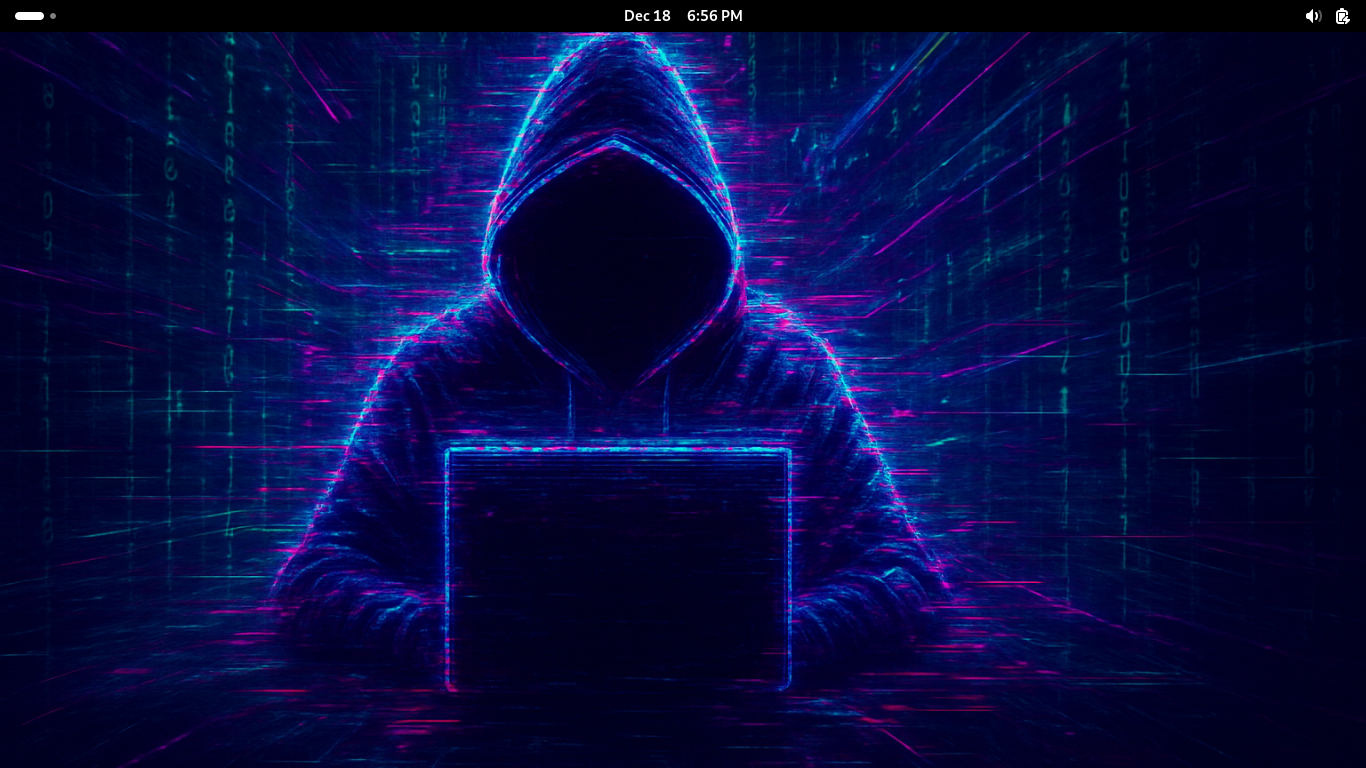
It is the same as the official edition but instead of KDE it has Gnome.
The Hydra edition has the Garuda Linux look (partially) and has everything the same as the official one.
HackerOS edition featuring a custom graphical environment.
This is the same version as the official one, but it has Debian stable instead of Debian testing.
The SteamOS-inspired Gaming Edition features the XanMod LTS kernel and a SteamOS-like game mode.
The Atomic edition is the immutable edition of HackerOS. The system uses atomic package transactions where each operation creates a new generation (gen-N) stored in a content-addressed store. Changes can activate immediately (user mode) or after reboot (system mode), with rollback support via GRUB. An integrity guardian ensures the package store remains read-only and cryptographically verified.
HackerOS follows a two-month release cycle. The Xfce, GNOME, Blue, and Hydra editions are released as x.0 and x.5 versions. The LTS edition is available exclusively with x.0 releases, while the Gaming edition is released with x.3 and x.7 versions. The Atomic edition is released with x.1 and x.9 versions.
Heart of HackerOS install additional software update the entire system quickly (flatpak snapshot firmware and apt)
Interpreter for Hacker Lang.
Package manager for Hacker Lang.
LLVM compiler and interpreter for the H# programming language.
Package manager for H#.
Community repository - a tool inspired by yay.
Steam in arch container.
An alternative to wget/git, Gerrit can also be used to download directories from GitHub or GitLab.
A cli tool that removes the current debian kernel and installs a custom one (xanmod or liquorix).
Automatic update system.
Nano-inspired tool.
It is a terminal-based file manager (TUI) with a built-in text editor and command console.
The tool will be available in an atomic edition in the future. Download tools from multiple containers as normal applications (the tool has its own dedicated package list/repository).
Atomic cli tool for HackerOS editions atomic.
choker - change kernel. CLI tool for changing the system kernel.
Penetration testing tool (brilliant for beginners).
AI for HackerOS.
Special live build overlay (for easier image building).
A gamescope-inspired composer for older graphics cards.
Terminal for HackerOS.
Application for phones.
Mode activated with ctrl + g. Application inspired by Asus Armoury Crate.
HackerOS Welcome App.
Hacker Launcher is designed primarily to run .exe applications.
Install game launchers, penetration testing tools, and drivers or applications.
Session uses own compositor. You can install it using hacker unpack hacker-mode.
Watching session install it using hacker unpack hackeros-tv.
A special Steam session (like Bazzite or Chimeraos) uses the HackerOS-Steam container for Steam and GameScope. Used in the Gaming Edition.
Both the graphical environment and a special session for the cybersecurity edition.
As a library for: Rust, H#, Hacker Lang
Documentation for both formats is available at: .hk and .hacker docs
Documentation for all HackerOS tools can be found here: https://hackeros-linux-system.github.io/HackerOS-Website/tools-docs/index.html